
Friends With Benefits Trope Explained: Why This Romance Setup Always Gets Messy
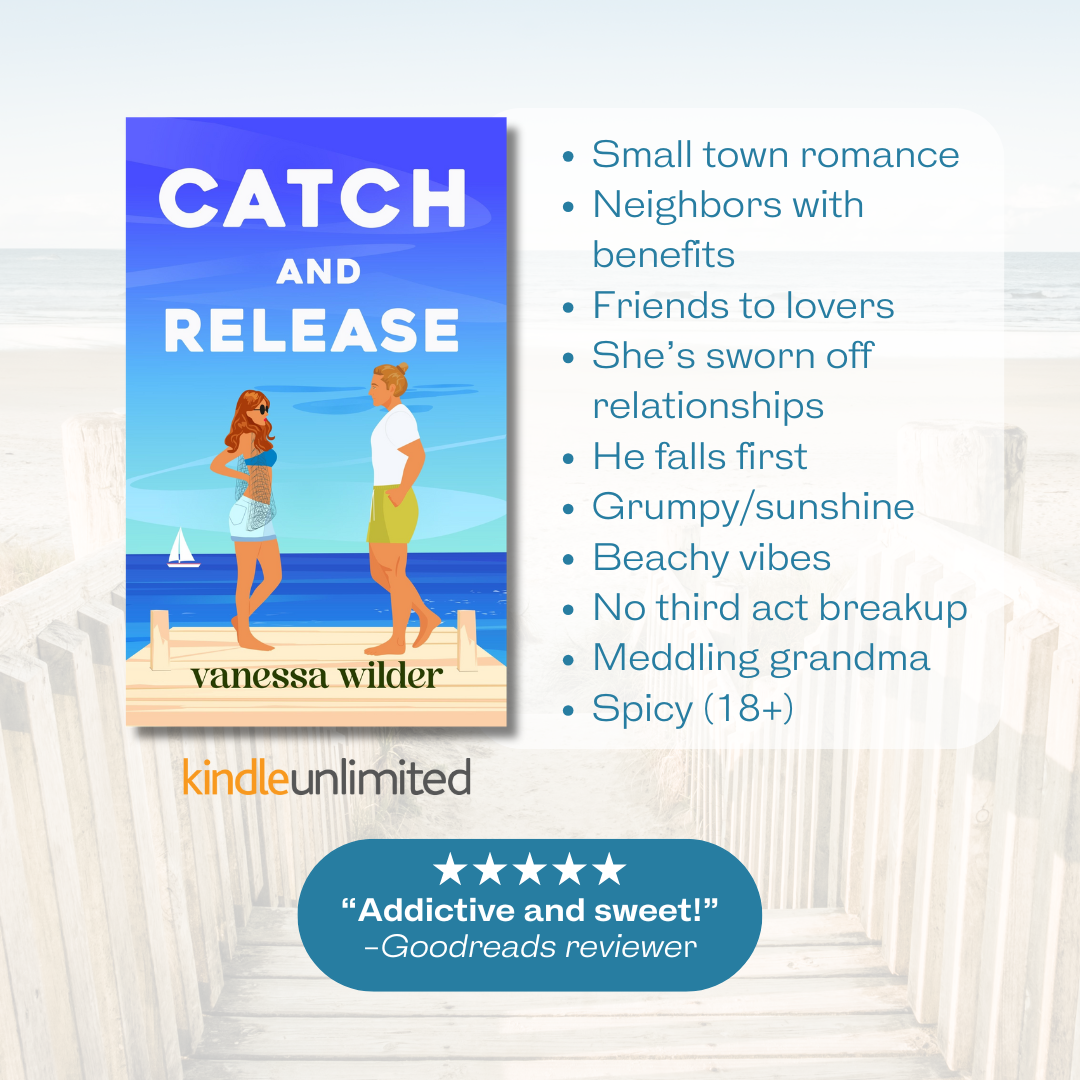
Read Catch and Release: A Friends with Benefits Romance on Kindle Unlimited.
Buy a signed copy of Catch and Release: A Friends with Benefits Romance here.
If there’s one romance trope guaranteed to spiral into emotional chaos (the fun kind), it’s friends with benefits.
Two people agree to keep things simple.
No commitment. No feelings. No complications.
And of course… it never works out that way.
Friends with benefits stories are beloved in romance because they combine chemistry, denial, and emotional tension in a way that makes readers turn pages faster than almost any other trope.
Let’s break down why this setup is so irresistible.
What Is the Friends With Benefits Trope?
In romance, the friends with benefits trope begins when two characters agree to a physical relationship while insisting that their emotional relationship will remain unchanged.
They might already be friends, acquaintances, neighbors, or people who spend a lot of time together.
The key element is the agreement:
No falling in love
No relationship expectations
Just physical chemistry
Of course, romance readers know what’s coming.
One of them is almost always lying to themselves.
Why Readers Love Friends With Benefits Romance
1. The Emotional Denial
The tension in this trope comes from the gap between what characters say and what they actually feel.
They insist:
“We’re just having fun.”
“This isn’t serious.”
“We’re still just friends.”
But every interaction makes that line blur more.
Watching characters slowly realize they’re in deeper than they planned is part of the appeal.
2. Built-In Chemistry
Friends with benefits relationships begin with attraction.
There’s already chemistry and familiarity between the characters, which means the romantic tension ramps up quickly.
Unlike slow-burn romances that start with strangers, this trope starts with people who already know each other well enough to trust each other.
That intimacy makes every moment feel more personal.
3. The Risk of Ruining the Friendship
Another reason readers love this trope is the emotional risk involved.
If things fall apart, they could lose:
their friendship
their daily routine
the person who already knows them best
That underlying fear raises the stakes of every interaction.
The characters aren’t just risking a relationship — they’re risking the foundation they already have.
Friends With Benefits vs. Friends to Lovers
These two tropes are closely related, but they’re not the same.
Friends to lovers focuses on emotional connection first, with romance developing over time.
Friends with benefits introduces physical intimacy before emotional clarity.
In friends with benefits stories, characters often start by pretending their feelings don’t exist.
In friends-to-lovers stories, those feelings are usually already there — just unspoken.
Many romance novels combine both tropes, creating an emotional arc where a casual arrangement slowly evolves into something real.
Common Elements of the Trope
Friends with benefits romance often overlaps with other fan-favorite tropes, including:
Neighbors to lovers
Forced proximity
He falls first
Fake dating
Jealous hero
Possessive hero
These combinations raise the emotional stakes even further, especially when characters are constantly around each other.
Friends With Benefits in Catch and Release
In Catch and Release, the friends with benefits dynamic starts as a solution to a very specific problem.
Willa has just discovered that her boyfriend of two years has a secret wife and baby.
Naturally, she decides relationships are a terrible idea.
Shawn, the fisherman next door, agrees that complicated feelings are the last thing either of them needs.
Keeping things casual seems like the logical option.
But in a small town where neighbors see everything — and chemistry is impossible to ignore — casual quickly becomes something much harder to define.
Why the Trope Works So Well in Romance
At its core, the friends with benefits trope is about vulnerability.
Two people try to create emotional distance while doing the most emotionally intimate thing possible: letting someone close.
The tension between those two ideas creates the push-and-pull that keeps readers hooked.
And when the characters finally admit what’s been obvious the whole time?
That payoff is incredibly satisfying.